


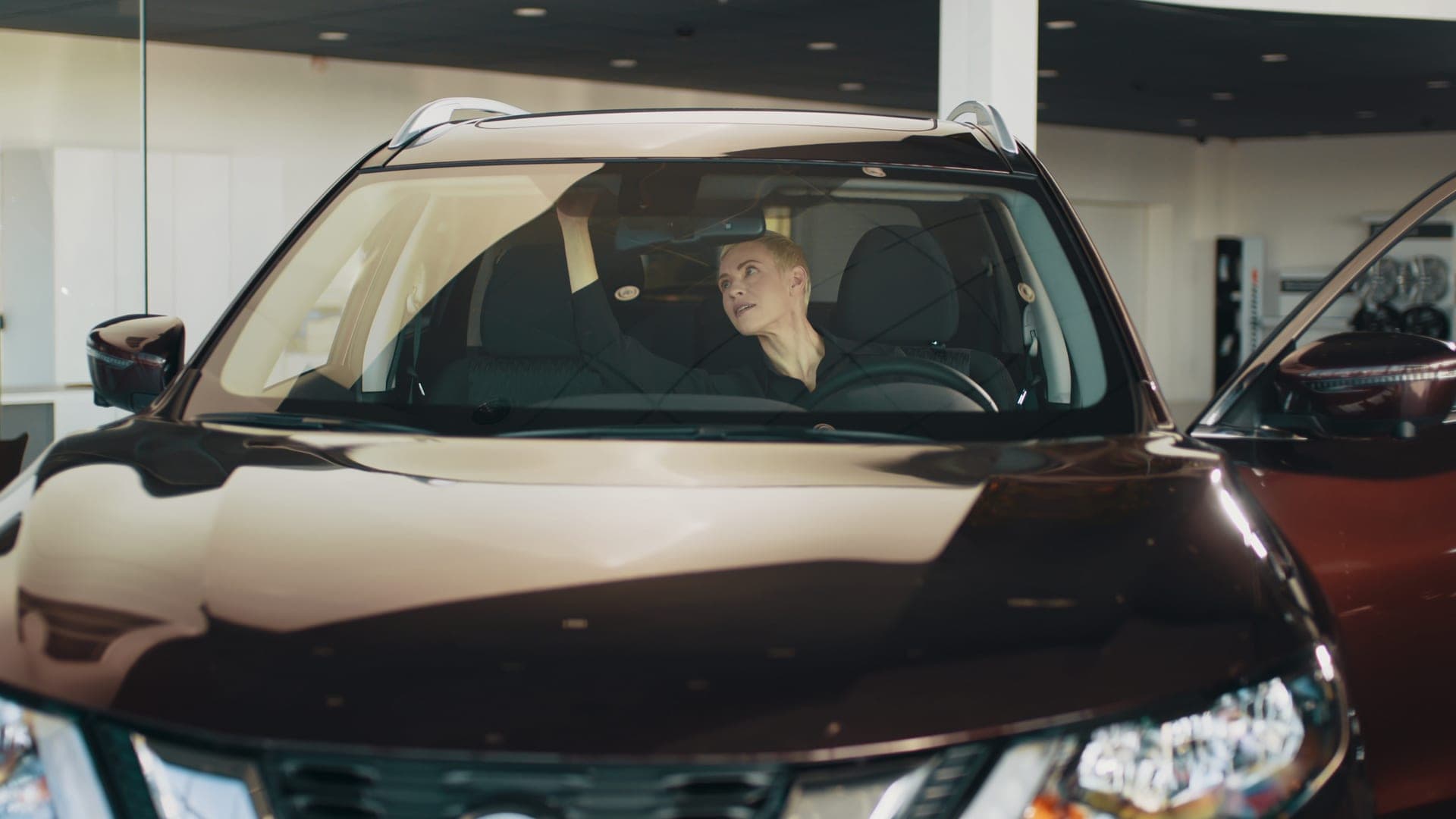
That new car you're considering? It loses 20% of its value the moment you drive it off the lot. Understanding depreciation helps you see the true cost of what you buy.
What Is Depreciation?
Depreciation is the decrease in an asset's value over time due to:
- Wear and tear
- Age
- Obsolescence
- Market conditions
It's the opposite of appreciation (gaining value).
The Depreciation Reality
Vehicles: The Biggest Offender
| Age | Typical Value Remaining |
|---|---|
| New (off the lot) | 80-90% |
| 1 year | 70-80% |
| 3 years | 50-60% |
| 5 years | 35-45% |
| 10 years | 15-25% |
Real Example
New car: $40,000 After 1 year: $32,000 (-$8,000) After 5 years: $16,000 (-$24,000)
That's $24,000 gone—before maintenance, insurance, and gas.
Electronics
- Phones: 50% value lost in first year
- Laptops: 30-40% value lost in first year
- TVs: Minimal resale value after 2-3 years
Furniture
- New furniture: Loses 50%+ immediately
- Quality pieces: Slower depreciation
- IKEA: Essentially worthless used
Things That Don't Depreciate (or Appreciate)
- Real estate (typically appreciates long-term)
- Certain collectibles (art, rare items)
- Precious metals
- Some watches (Rolex, Patek Philippe)
True Cost of Ownership
The Depreciation Equation
True annual cost = (Purchase price - Resale value) ÷ Years owned
Real Example
Option A: New car for $40,000, sell after 5 years for $16,000 Depreciation cost: ($40,000 - $16,000) ÷ 5 = $4,800/year
Option B: 3-year-old car for $24,000, sell after 5 years for $10,000 Depreciation cost: ($24,000 - $10,000) ÷ 5 = $2,800/year
Option B saves $2,000/year in depreciation alone.
Strategic Depreciation Management
Buy Used: Let Someone Else Pay the Hit
The steepest depreciation happens early. Buying 2-3 years old often gives you:
- 30-40% savings from new price
- Modern features and reliability
- Manufacturer warranty remaining
Hold Longer
Depreciation slows over time. Keeping a car from year 5 to year 10 costs much less in depreciation than years 1-5.
Consider Resale When Buying
Some brands hold value better:
- Vehicles: Toyota, Honda, Tacoma, 4Runner depreciate slower
- Electronics: Apple products retain more value
- Furniture: Quality brands vs. disposable
Avoid Over-Customization
Custom paint, unusual features, and personalization often hurt resale value.
When Depreciation Doesn't Matter
You'll Use It Until It's Worthless
If you plan to drive a car for 15 years, the depreciation curve matters less—it'll be worth little either way.
The Joy/Utility Justifies It
Sometimes the experience of something new is worth the depreciation cost. Just make that choice consciously.
Business Deductions
For businesses, depreciation is a tax deduction that can offset the loss.
The Depreciation Mindset
Before Every Purchase, Ask:
- How much will this be worth in 3 years?
- What's my real annual cost?
- Can I get similar utility buying used?
- Am I paying for newness or for value?
Reframe "Savings"
Buying a $30,000 car instead of $40,000 isn't saving $10,000 if the cheaper car depreciates at the same rate. You've delayed the spending, not eliminated it.
The Bottom Line
Depreciation is an invisible expense that makes many purchases more expensive than they seem. Buy used when practical, choose items that hold value, and factor depreciation into your true cost calculations.